

Notre AG 2026 portera sur le thème / Our 2026 GA will focus on the topic of
TRANSITIONS
Les établissements d’enseignement supérieur et professionnel se trouvent au cœur des transitions contemporaines. Transition écologique, numérique, démographique, pédagogique, économique, citoyenne etc, ces mutations interrogent nos modèles de gouvernance, nos pratiques de formation, nos usages dans nos campus, nos choix stratégiques, nos relations humaines ainsi que celles avec les territoires.
Higher education and vocational training institutions are at the heart of contemporary transitions. Ecological, digital, demographic, educational, economic, civic and other transitions are challenging our models of governance, our training practices, our campus usage, our strategic choices, our human relations and our relations with local communities.
LES TRANSITIONS
L'enjeu stratégique de la décennie
Transition. Ce terme résonne partout : écologique, numérique, pédagogique, sociétale. Mais au-delà du mot, c’est toute l’architecture de l’enseignement supérieur qui se trouve au cœur d’une métamorphose sans précédent.
Une transition n’est ni une simple évolution, ni une rupture brutale. C’est les deux à la fois : un passage dynamique où émergent de nouvelles possibilités, souvent imprévisibles. Un moment où l’on passe littéralement « au-delà du prévisible ».
Ces transitions ne sont pas de simples défis sectoriels. Elles constituent un moment critique où se joue la pertinence même de nos institutions. Les établissements qui sauront anticiper, comprendre et piloter ces mutations consolideront leur position. Les autres risquent l’obsolescence.
Un enjeu mondial reconnu
L’International Association of Universities a fait de ces questions ses priorités stratégiques. Lors de sa conférence de Tokyo 2024 (“University Values in a Changing World”), et dans son dernier numéro d’IAU Horizons (2025) “Transforming Our World”, les leaders internationaux convergent : les transitions constituent désormais l’agenda opérationnel des institutions d’enseignement supérieur du monde entier.
TRANSITIONS
The strategic challenge of the decade
Transition. This term resonates everywhere: ecological, digital, pedagogical, societal. But beyond the word, it is the entire architecture of higher education that finds itself at the heart of an unprecedented metamorphosis.
A transition is neither a simple evolution nor a sudden rupture. It is both at once: a dynamic passage where new possibilities emerge, often unpredictable. A moment when we literally move “beyond the foreseeable.”
These transitions are not merely sectoral challenges. They constitute a critical moment in which the very relevance of our institutions is at stake. Institutions capable of anticipating, understanding and steering these changes will consolidate their position. The others risk obsolescence.
A recognised global issue
The International Association of Universities has made these questions its strategic priorities. During its 2024 Tokyo Conference (“University Values in a Changing World”), and in its latest issue of IAU Horizons (2025) “Transforming Our World”, international leaders are converging: transitions now constitute the operational agenda of higher education institutions worldwide.
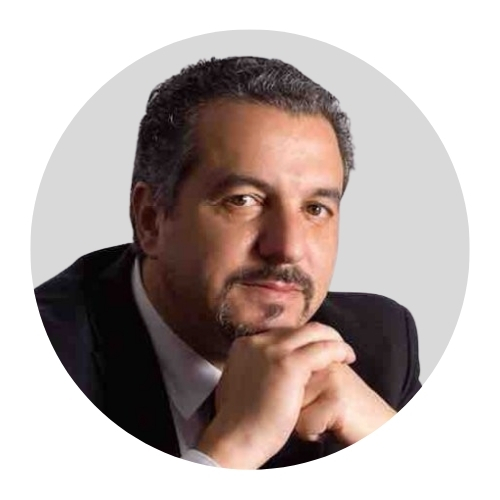
Cette thématique sera examinée lors de la plénière du 22 avril, animée par / This topic will be examined during the plenary session on 22 April, presented by
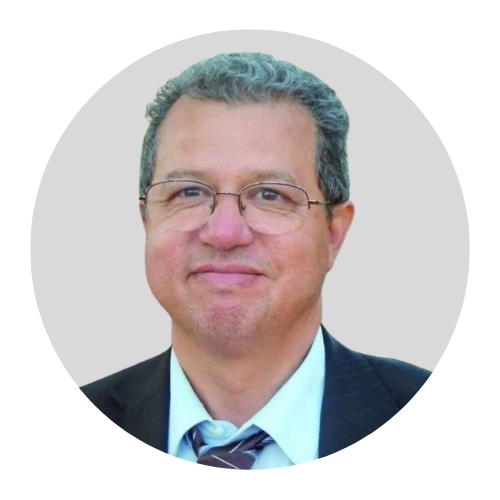
Professeur à l’Université Mohammed VI Polytechnique (UM6P, Maroc) et à Sciences Po Aix-en-Provence, chercheur au SOPHIAPOL (Université Paris 10 – Nanterre), il a créé et dirige la Chaire des Transitions à l’UM6P.
Raphaël Liogier a également été professeur invité dans de nombreuses universités étrangères, notamment au Canada, en Italie, en Australie, aux Etats-Unis et en Inde. Ses recherches portent sur la mutation des identités religieuses, les croyances, les mythes contemporains, les constructions imaginaires individuelles et collectives et leurs conséquences politiques, sociales et économiques. Il est l’auteur d’une centaine d’articles scientifiques et d’une vingtaine d’ouvrages.
Professor at Mohammed VI Polytechnic University (UM6P, Morocco) and Sciences Po Aix-en-Provence, researcher at SOPHIAPOL (University of Paris 10 – Nanterre), he created and directs the Chair of Transitions at UM6P.
Raphaël Liogier has also been a visiting professor at numerous foreign universities, notably in Canada, Italy, Australia, the United States and India. His research focuses on the transformation of religious identities, beliefs, contemporary myths, individual and collective imaginary constructions and their political, social and economic consequences. He is the author of around one hundred scientific articles and some twenty books.
Les tables rondes / Breakout sessions
Jeudi 23 avril 2026 de 9h à 10h30
Table ronde n°1 "Transitions pédagogiques : Comment former aux métiers qui n'existent pas encore ?"
Breakout session n°1 "Pedagogical transitions: How can we train for professions that do not yet exist?"

Coralia COTORACI - Confirmed
Rectrice de l'UVVG / Rector of UVVG

Kamal DAISSAOUI - Confirmed
Président de la Fédération de l'Enseignement Privé (FEP), Maroc / President of Morrocan Private Education Federation

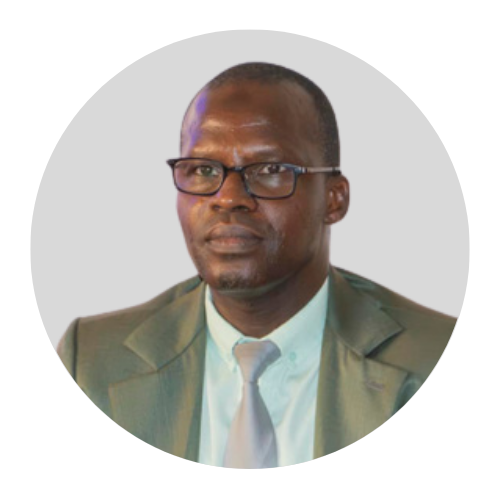
Pr. Abou FOFANA - Confirmed
Directeur de l'Enseignement Supérieur en Côte d'Ivoire / Director of Higher Education in Côte d'Ivoire

Ministère de l’Enseignement supérieur et de la Recherche scientifique (Côte d’Ivoire) / Ministry of Higher Education and Scientific Research (Côte d’Ivoire)
Table ronde n°2 "Transitions sociétales démographiques : Comment anticiper les déplacements géographiques de la demande éducative ?"
Breakout session n°2 "Societal demographic transitions: How can we anticipate geographical shifts in educational demand?"

Safae BENGADA - Confirmed
Adjointe du Chef du Bureau du Conseil de l'Europe au Maroc / Deputy Head of the Council of Europe Office in Morocco

Estelle HEINRICH - Confirmed
Responsable pédagogique / Teaching Manager

Florent QUIQUANDON - Confirmed
Directeur de Keyca Academy Conakry (Guinée) / Director of Keyce Academy Conakry (Guinea)
Roelof VAN BUREN - Confirmed
Responsable des relations internationales / International Relations officer
Jeudi 23 avril 2026 de 11h à 12h30
Table ronde n°3 "Transitions numériques et technologiques : Piloter la transformation à l'ère de l'intelligence artificielle"
Breakout session n°3 "Digital and technological Transitions: Driving transformation in the Age of Artificial Intelligence"

Redouane EL HAOUI - Confirmed
Président de l’APEBI / President of APEBI
(Fédération des Technologiques de l'information, des télécommunications et de l'offshoring / Federation of Information technology, Telecommunications and Offshoring) - Maroc / Morroco

Javier GOMEZ PRIETO - Confirmed
Chef du Bureau du Conseil de l'Europe au Maroc / Head of the Council of Europe Office in Morocco

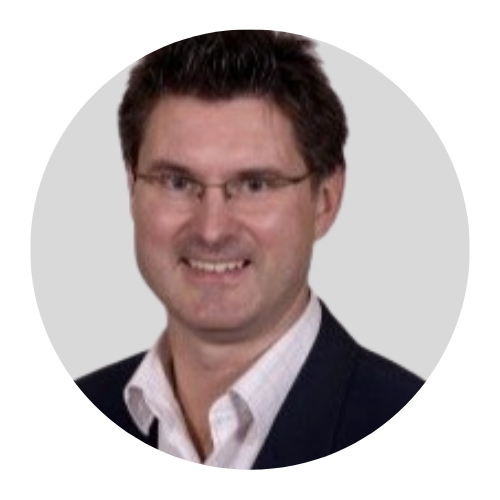
Luka LESKO - Confirmed
Président de SSBM (Suisse) / President of SSBM (Switzerland)
Shahrokh MIRZAHOSSEINI - Confirmed
Président / President of Avicenna International College - Hongrie / Hungary

Table ronde n°4 "Transitions écologiques : Comment répondre à l'urgence climatique mondiale et aux attentes des jeunes générations ?"
Breakout session n°4 "Ecological transitions: How can we respond to the global climate emergency and the expectations of younger generations?"

Abdesslam BENAHRA - Confirmed
Directeur du groupe CESA Sup (Maroc) / Director of the CESA Sup Group (Morocco)

Youssef BENTALEB - Confirmed
Président du Centre Marocain de Recherches Polytechniques et d'Innovation / President of the Moroccan Center for Polytechnic Research and Innovation

Willy VANDENSHRICK - Confirmed
Directeur du CERDEN (Belgique) / Director of CERDEN (Belgium)
FEDE
AG 2026 / GA 2026
L’Assemblée Générale FEDE est conçue comme un lieu d’échanges et de partages ; de débats et de réseaux et permet de renforcer les liens qui nous unissent.
The FEDE General Assembly is designed to be a space for discussion, sharing, debate and networking. It is an opportunity to strengthen connections between our members.